
By Steven Blatter
26/06/2026
June has historically proven to be a volatile month for the Russian presidency. Exactly three years after Yevgeny Prigozhin’s Wagner mercenaries launched their extraordinary, short-lived mutiny that shook the foundations of the state, a deeply unsettling ghost has reappeared. A new video message addressed directly to Vladimir Putin suggests that the systemic rot within the Russian military apparatus is once again reaching a boiling point, raising the distinct possibility of a second armed march on the capital.
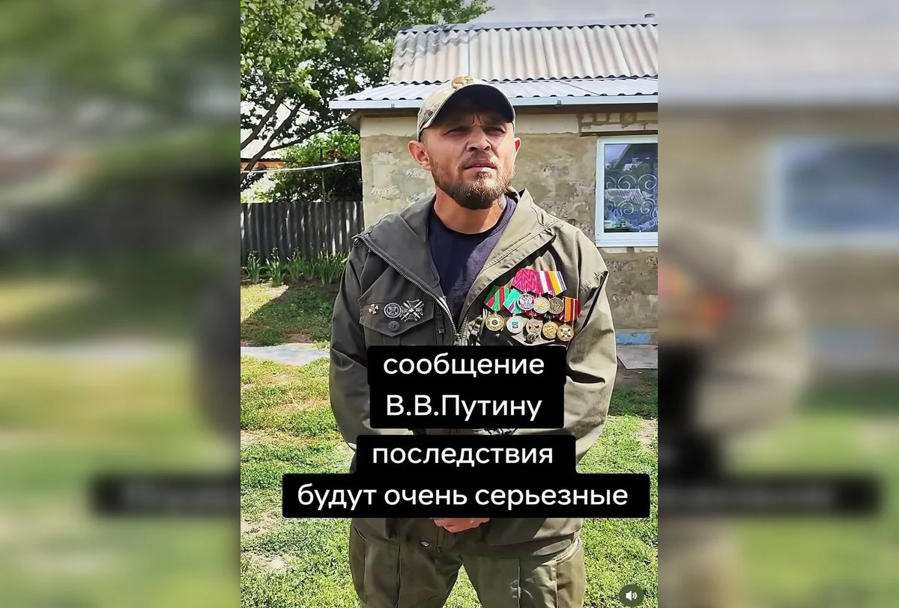
https://www.instagram.com/reel/DaBQxOsOOkI/)
In a filmed address dated 25 June 2026 a heavily decorated Russian serviceman, standing in front of a modest rural building, delivered a blunt ultimatum to the Kremlin. The footage, which has begun circulating across digital networks, carries a stark warning on screen:
“Message to V.V. Putin, the consequences will be very serious.” The speaker claims to represent a broad coalition of disgruntled figures, including frontline troops, members of the law enforcement structures, and even officials from within the Ministry of Defence.
The grievances detailed in the recording point to a profound crisis of authority on the frontline. The soldier alleges that tens, if not hundreds of thousands, of Russian servicemen are currently being held in makeshift dungeons and subjected to severe abuse and torture by internal security elements, which he scathingly refers to as the “Gestapo”. According to his account, these troops are being brutally punished for refusing to execute “stupid, suicidal orders” and for resisting widespread financial extortion by their own commanders. Crucially, he claims that soldiers who speak out are being “nullified” – made to disappear entirely.
What transforms this video from a standard plea for justice into a direct challenge to state stability is its final threat. The soldier demands an audience with Putin during a live, unedited television broadcast to reveal the reality of the situation in the country. Should the Kremlin fail to grant this demand in the near future, the warning is explicit: the army will turn its weapons around and target the Kremlin itself.
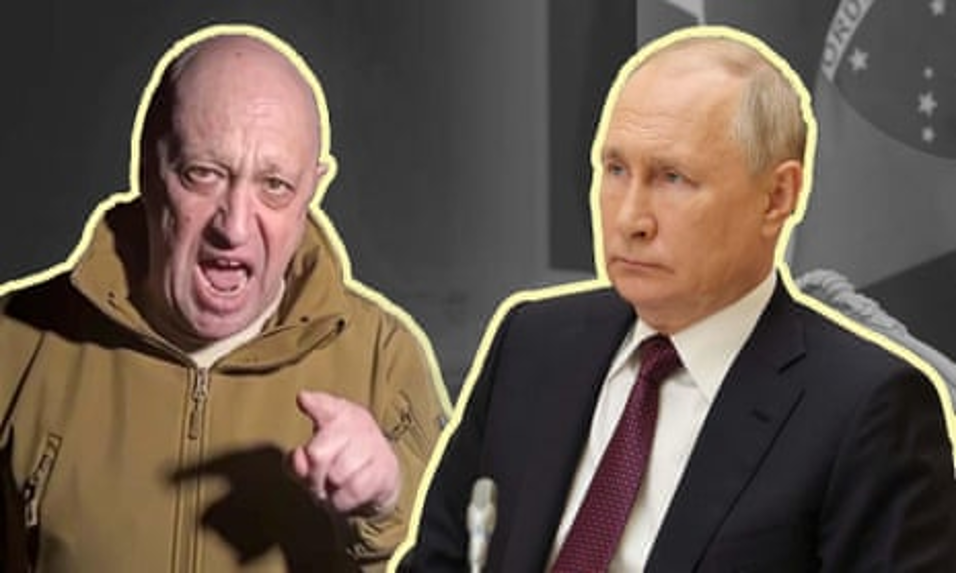
For Western analysts watching the internal dynamics of the Russian Federation, the rhetoric is painfully familiar. It mirrors the exact institutional friction that allowed Prigozhin’s mutiny to advance within 200 kilometres of Moscow in 2023. The fundamental issues – incompetence within the military leadership, the treatment of regular soldiers as expendable material, and the complete suppression of honest feedback up the chain of command – have clearly not been resolved. Instead, they appear to have metastasised.
Predicting a repetition of the 2023 mutiny requires looking at the structural vulnerabilities of the current Russian state. While the Kremlin has spent the last three years tightening its security apparatus and neutralizing high-profile critics, it has failed to rectify the underlying causes of military discontent. The fact that a soldier adorned with state medals feels empowered to threaten an armed rebellion indicates that desperation has overtaken fear.
The likelihood of another military backlash remains remarkably high because the historical precedent has already been set. Prigozhin proved to the entire military class that the road to Moscow is largely undefended when the state’s attention is focused elsewhere. By framing their potential rebellion as a defense of the common soldier against corrupt elite commanders, any new group of mutineers can tap into a deep well of populist sympathy within the ranks of an exhausted and mistreated army.
Whether this specific threat materialises into a coordinated movement remains to be seen, as the state will undoubtedly move quickly to identify and silence the speaker. However, the true danger for the Russian leader does not lie in a single rogue video, but in the widespread sentiment it represents. The Kremlin is finding that three years after the Wagner rebellion, the systemic fractures within its military are wider than ever, and the threat of an internal turn of weapons is a recurring nightmare Putin cannot seem to escape.